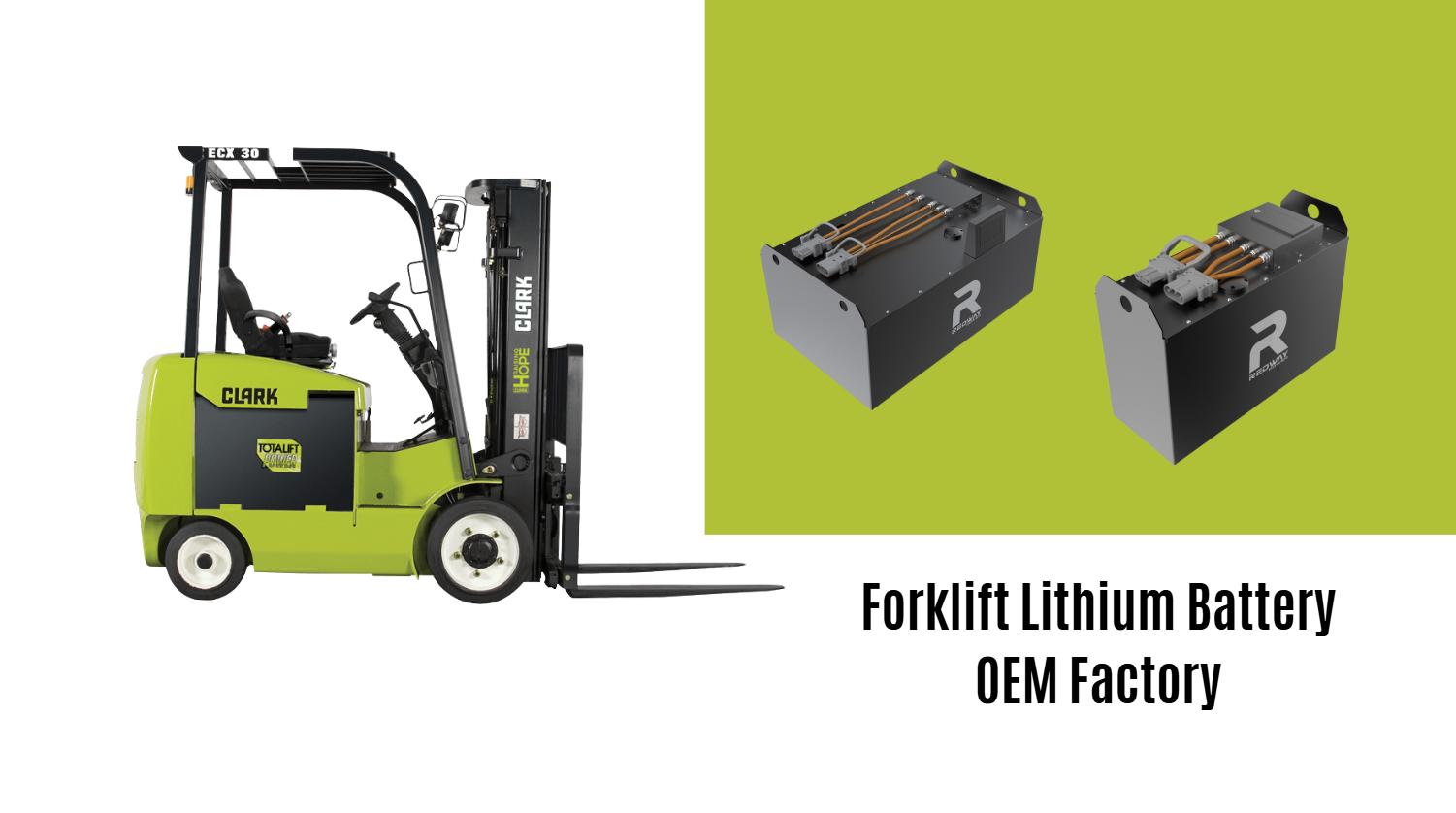
A safe CLARK forklift battery exchange starts with the complete truck serial number, the approved battery specification and a trained service team. Confirm the replacement’s weight, dimensions and connector before the truck is taken out of service. Use the CLARK procedure for the specific truck and the site’s battery-handling controls.
Last updated:
Identify the approved replacement before removing the old pack
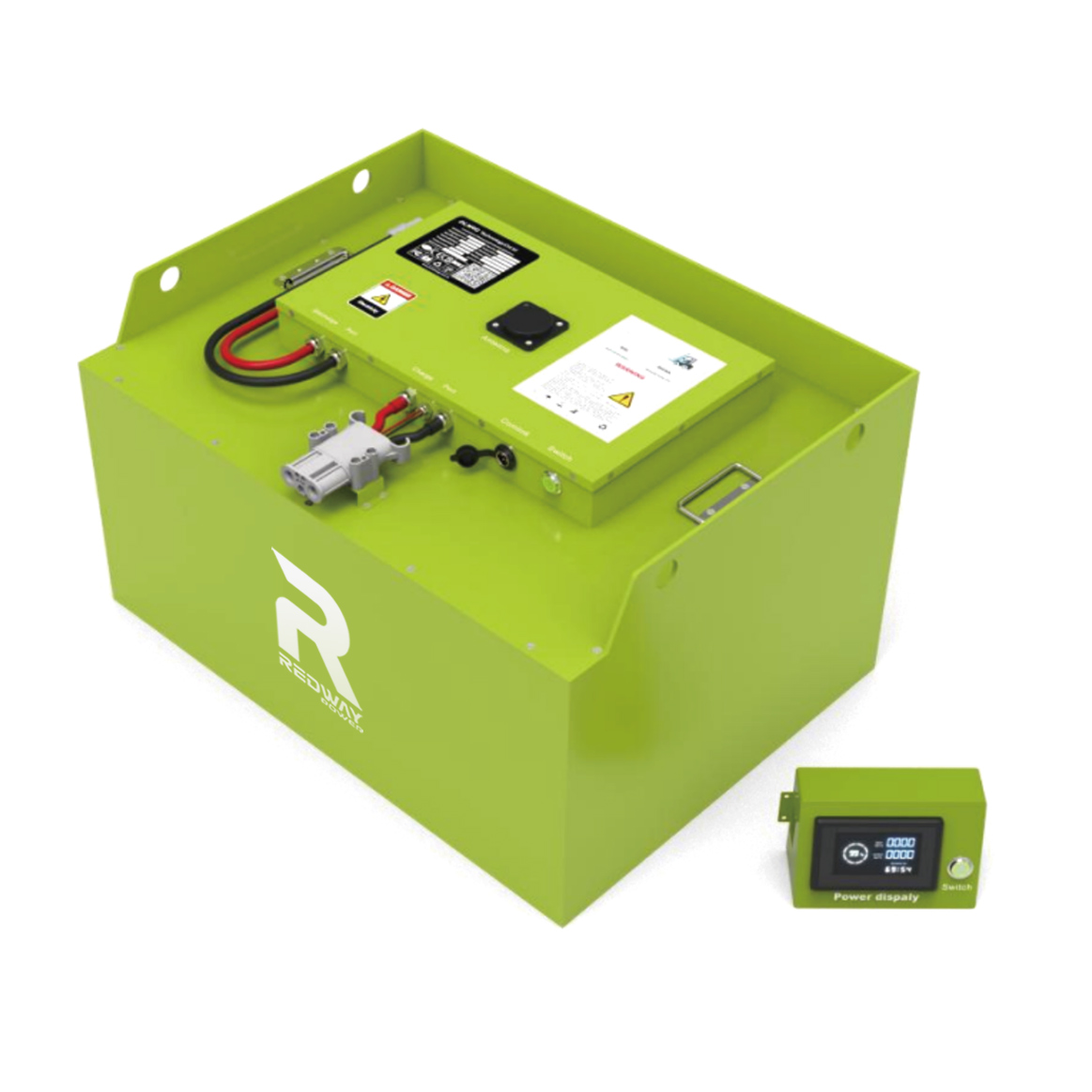
Provide the full CLARK serial number when obtaining the correct operator and service literature. Compare nominal voltage, documented battery-weight limits, tray dimensions, restraint parts, cable exit and charger compatibility. If the replacement is a different chemistry, obtain the approvals that apply to the truck configuration before ordering.

Decide whether replacement is justified
Give service the runtime change, history of charging faults and the battery test results. A poor shift can also follow an interrupted charge or a faulty charger. Ask the technician to document whether the evidence supports a battery replacement, a connection repair or charger service.
| Checkpoint | Evidence |
|---|---|
| Compatibility | Correct CLARK manual and written pack specifications. |
| Safe handling | Battery weight and rated handling arrangement. |
| Return to work | Recorded restraint, charging and functional checks. |
Check the work area and handling equipment
Assign the exchange to authorized personnel using the designated location and rated handling equipment. The truck must be positioned and braked under the applicable procedure. Plan how to secure the pack, contain electrolyte hazards where applicable and keep other operators clear.
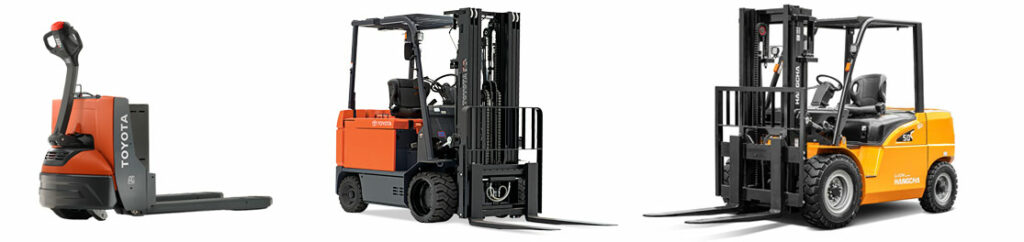
Plan the removal and installation sequence for that truck
Use the manual to determine which covers, restraints and connectors are intended for service access and how the battery exits the compartment. Compare the required clearance with the planned transfer route. Verify the approved lifting or transfer points and stopping positions before work so the handling equipment remains within its rating throughout.
What differs for a flooded or sealed battery?
Identify whether the work involves serviceable electrolyte and whether the pack has monitoring electronics or a communication connector. Use the work controls specified for that configuration. Give maintenance the old and new charger information so that approved charging settings and connections can be verified at commissioning.
Close the job with a written release
Have qualified service confirm retention, cable clearance, connector fit, approved charging behavior and a normal truck functional check. Record the old and new pack serial numbers, the release date and any follow-up runtime check. Arrange return or recycling through an appropriate provider and keep the disposition record.
FAQ
Where can I get the CLARK service manual?
CLARK directs owners to its dealers for service literature. Give the dealer the complete truck serial number.
Can a lighter battery replace the original?
Check the approved weight range and the truck maker’s requirements. A different weight or chemistry can require manufacturer review.
What if the new pack powers the truck but will not charge?
Keep the truck in the site’s service process. Record the fault and have qualified staff check the approved battery, charger and communication combination.
Reference: CLARK manual and serial-number guidance.
Reference: OSHA requirements for powered industrial trucks.
Related reading
Clark forklift battery
Clark forklift battery
forklift is turned off and the key
manufacturer
Clark forklift battery involves a series of critical steps
Continue exploring: Forklift Battery Voltage & Capacity guide.