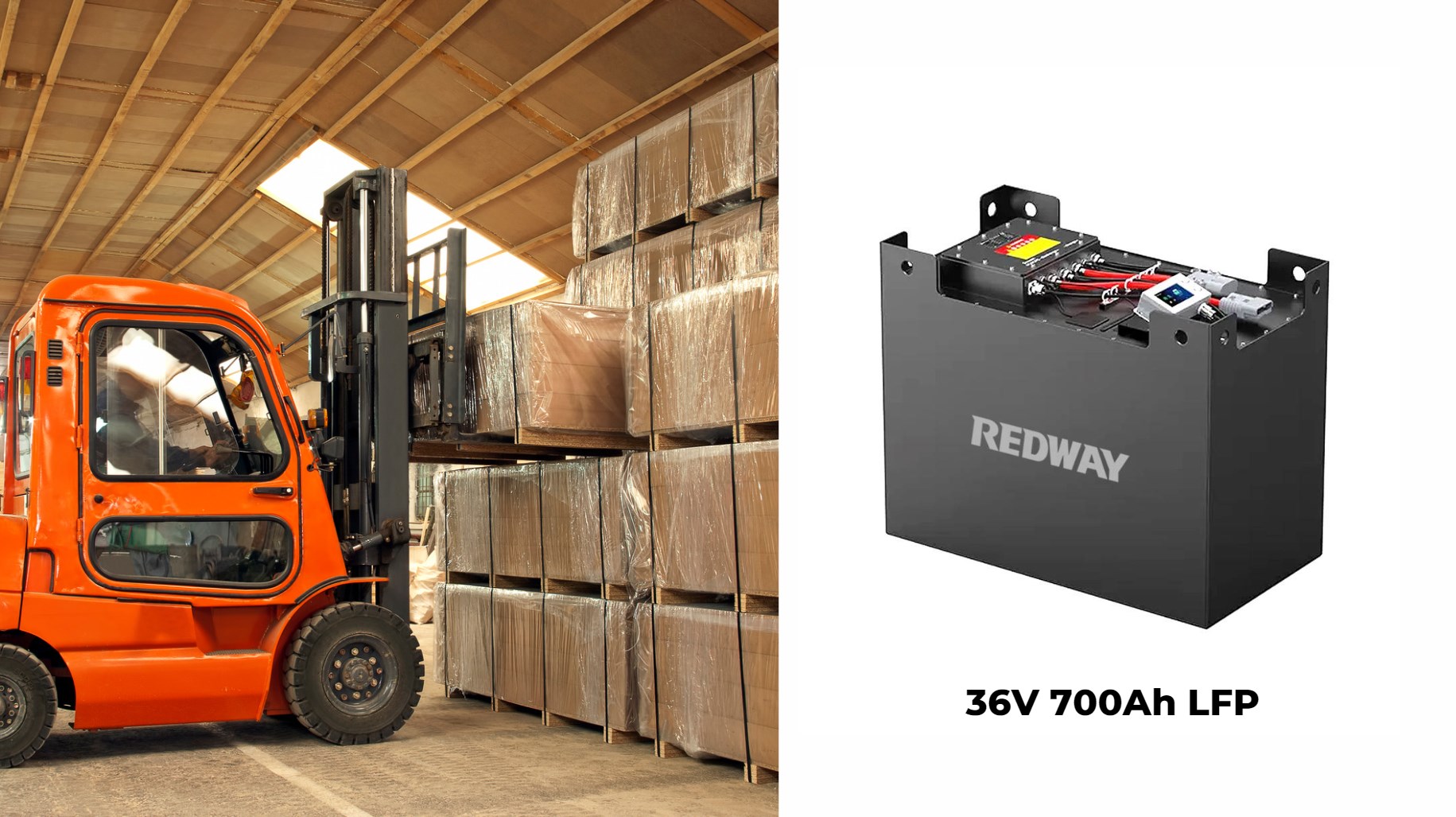
36-volt forklift batteries are essential for powering electric forklifts and other material handling equipment. They provide the necessary power to perform a range of tasks, including lifting, transporting, and stacking loads efficiently. This article delves into the key aspects of 36V forklift batteries, including types, features, advantages, lifespan, and applications.36V forklift batteries provide higher power output suitable for heavy-duty applications. They are often used in larger forklifts requiring extended run times. Understanding charging requirements is crucial for maximizing performance.Types of 36V Forklift BatteriesUnderstanding the different types of 36V forklift batteries is crucial for selecting the right battery for your needs. The two main types are lead-acid and lithium-ion.Lead-Acid Batteries Key Features and Advantages1. Power and Performance

- Flooded Lead-Acid Batteries:
- Cost-Effective: These batteries are typically less expensive upfront compared to lithium-ion batteries.
- Maintenance Requirements: They require regular maintenance, including watering and equalization charging to ensure optimal performance.
- Usage: Commonly used in various industrial settings due to their affordability and reliability.
- AGM (Absorbent Glass Mat) Batteries:
- Improved Reliability: AGM batteries offer better performance and reliability than flooded lead-acid batteries.
- Lower Maintenance: They are maintenance-free in terms of watering and are less prone to acid leakage.
- Advantages: Better vibration resistance and durability make them suitable for more demanding applications.
- Gel Batteries:
- Enhanced Vibration Resistance: Gel batteries are similar to AGM but offer superior resistance to vibrations.
- Sealed Design: They have a sealed design that prevents spillage, making them safer for various environments.
- Higher Initial Cost: Lithium-ion batteries generally have a higher initial purchase price compared to lead-acid options.
- Longer Lifecycle: They offer extended lifecycles, often exceeding 2,000 to 3,000 charge cycles.
- Fast Charging: Lithium-ion batteries can be charged quickly, reducing downtime and improving efficiency.
- Low Maintenance: These batteries require minimal maintenance with no need for watering or equalization, simplifying battery care.
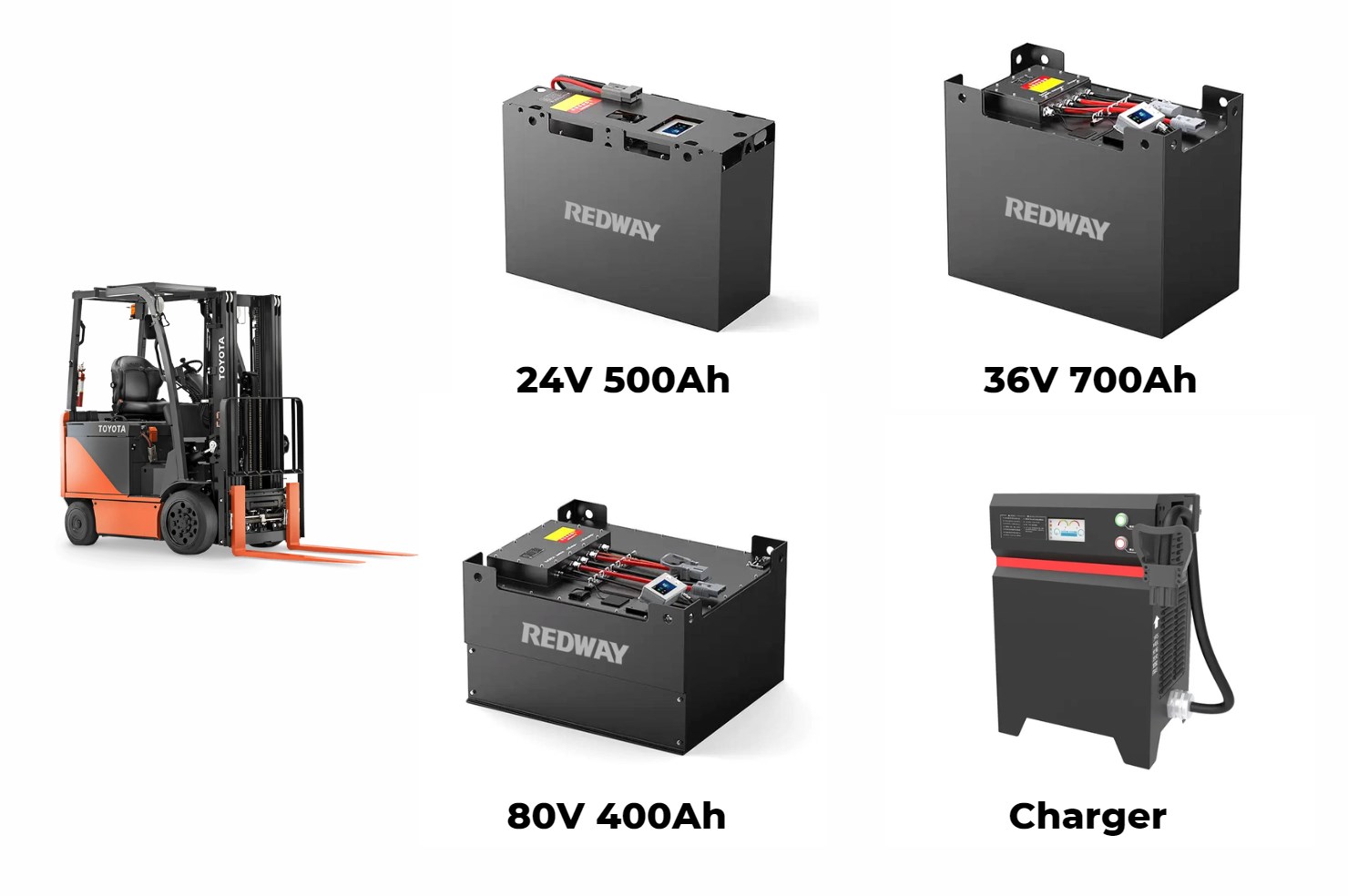 Key Features and Advantages1. Power and Performance
- Reliable Power Delivery: 36V batteries provide consistent and reliable power essential for efficient forklift operation.
- Performance: They are designed to handle demanding tasks, ensuring smooth operation even under heavy loads.
- Extended Usage: Lithium-ion 36V batteries can operate for longer periods between charges, enhancing productivity and reducing operational interruptions.
- Efficiency: The extended operational time contributes to fewer charging cycles and improved overall efficiency.
- Quick Turnaround: These batteries typically charge faster than their higher voltage counterparts, enabling quicker turnaround and reducing wait times between shifts.
- Initial Costs: While lithium-ion batteries have a higher initial cost, they offer lower long-term costs due to their longevity and reduced maintenance needs.
- Charging Systems: The charging systems for 36V batteries are generally less expensive compared to higher voltage systems, contributing to overall cost savings.
- Minimal Upkeep: Lithium-ion batteries require minimal maintenance compared to lead-acid batteries, which need regular watering and equalization charging.
- Operational Efficiency: The low maintenance requirements translate to reduced labor costs and operational downtime.
- Balanced Power and Safety: 36V batteries provide a good balance between power output and safety, reducing the risk of electrical hazards compared to higher voltage systems.
- Design Considerations: Modern 36V batteries are designed with safety features to minimize risks and ensure reliable operation.
- Lithium-Ion Batteries: These batteries can last between 1,500 and 2,500 charging cycles. Proper charging practices, avoiding deep discharges, and maintaining optimal environmental conditions are crucial for extending battery life.
- Lead-Acid Batteries: Typically, they have a shorter lifespan, requiring more frequent replacements and maintenance compared to lithium-ion batteries.
- Warehousing: Essential for powering electric forklifts that handle inventory management and storage tasks.
- Manufacturing: Used in production environments where material handling efficiency is crucial.
- Logistics: Ideal for transportation and distribution centers that require reliable power for forklifts and other equipment.
Continue exploring: Use the 36V Forklift Battery Systems guide for the related decision process, evidence, and practical guidance.